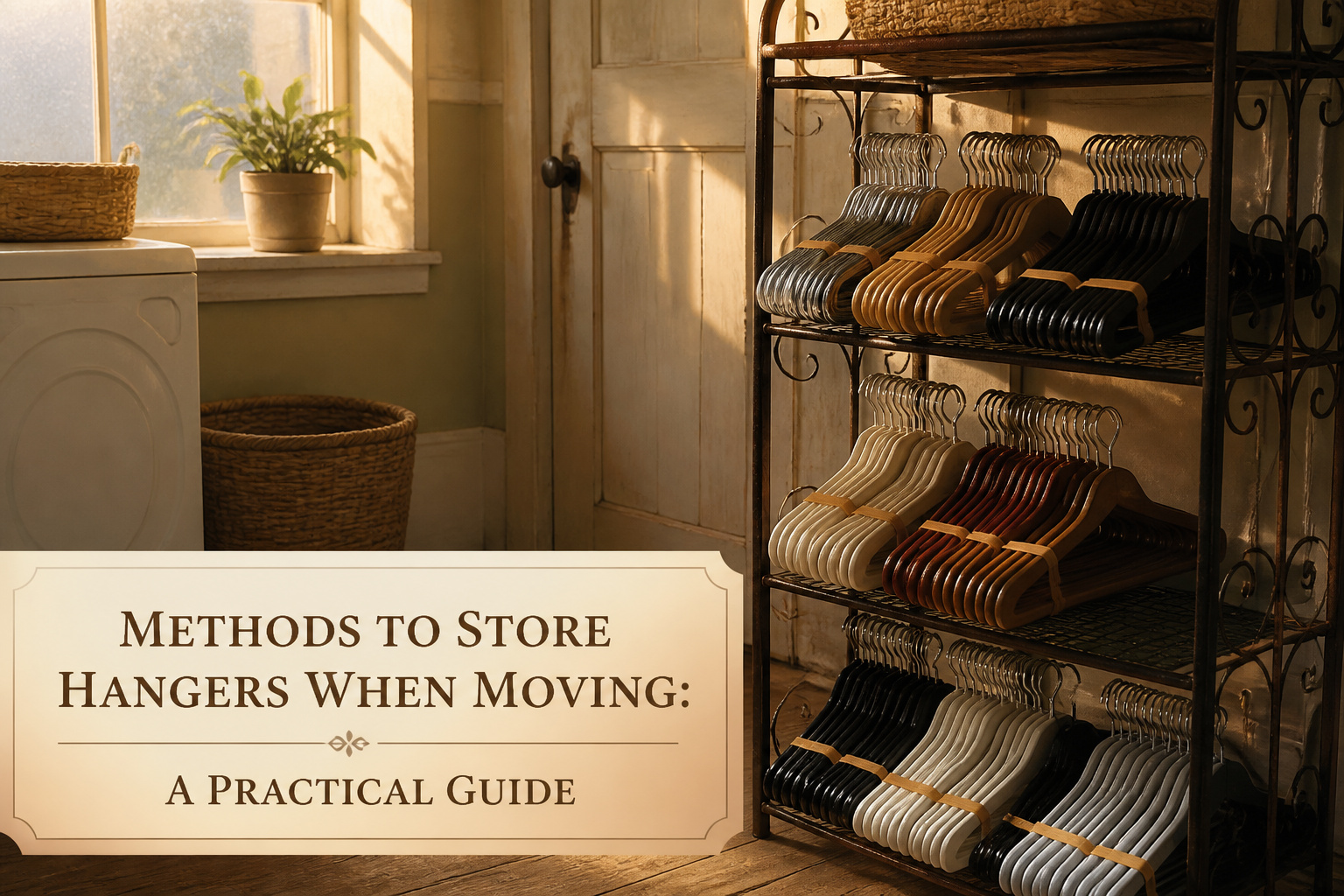
The fastest way to keep hangers from tangling in a move is to bundle them with rubber bands, five to ten at a time, hooks aligned the same direction. That only holds if you wrap the bundle next, because an unwrapped bunch will snag on furniture and knot itself by the first curb the truck hits. A garbage bag pulled over from the bottom and tied at the neck costs nothing and solves it.
1. Bundle and Wrap Technique

Align the hooks so they all face one way before you start. That single step keeps the bundle from twisting into a knot you will untangle later with your teeth.
Bundle five to ten together, no more or the rubber band snaps and you start over. A hair tie works in a pinch but a proper rubber band, looped around the hooks and run down to the bottom bar and back up, holds the shape without chewing into the plastic. Twist ties or zip ties do the same job if you are bundling wire or the rubber band is too thin for the load. I would avoid over-stretching it; a brittle band turned into one sad hook wandering free taught me that.
Wrap the bundle next. A garbage bag pulled over from the bottom and tied at the neck keeps the hooks from catching on a sofa corner or another box. Old sheets over the outside add padding if the hangers are wood or anything you spent actual money on, though for the free wire kind from the dry cleaner the bag alone is enough. Fit the wrapped bunch into a box or another bag sized close so the bundle does not roll; an empty corner turns into a tangle by the time the truck hits the first curb.
Recommended Products

Available in three sizes:Medium (35.4×22.8×5.9in, Fits up to the hips); Large (43.3×22.8×5.9in, Reaches the thighs); X-Large (51.2×22.8×5.9in, Extends to the calves)

[Large Capacity] Measuring17''(L)×20''(W)×54''(H), our garment bags for storage offer more width and length, they are roomy enough to hold 10-20pcs clothes. Fantastic for storing your suits, dresses, coats, jackets and othe off-season clothes, keep them safe and clean.
2. Garment Boxes and Specialty Hanger Boxes

Wardrobe boxes with built-in hanging bars let you transfer suits, blouses, and delicate shirts straight from the closet rod to the box, keeping them wrinkle-free through the move. Each box runs up to $20, which adds up fast if you are trying to outfit more than one closet.
Specialty hanger boxes work on the same idea but with depth sized for padded and velvet hangers, so your nicer hangers do not crush each other. Both types seal tight against dust, and you can tuck lightweight items like pillows or folded sweaters at the base, though heavy shoes or bags there risk splitting the cardboard. I would not bother hanging empty hangers on that bar; it wastes the vertical space you are paying for. For a weekend move on a real budget, these boxes suit your best garments and your fussiest hangers, and you handle everything else with cheaper methods.
Recommended Products

CLOSET MOVING SOLUTION: Includes 3 metal hanging bars to accommodate up to 2 linear feet of hanging apparel

CLOSET MOVING SOLUTION: Includes 3 metal hanging bars to accommodate up to 2 linear feet of hanging apparel
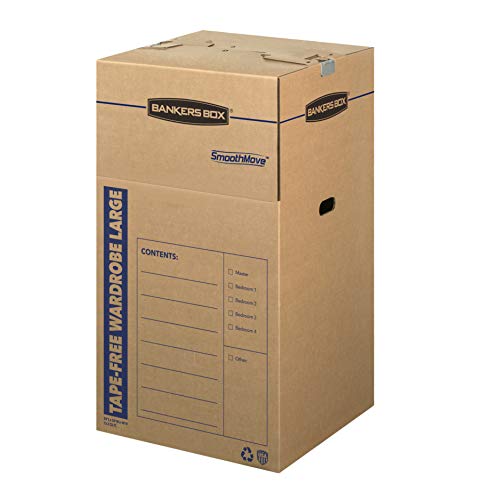
CLOSET MOVING SOLUTION: Includes 3 metal hanging bars to accommodate up to 2 linear feet of hanging apparel
3. Garbage Bag Method

A 30-gallon drawstring trash bag is exactly the right size for this. The trick is threading the hanger hooks through a small hole poked in the bag’s bottom, then pulling the drawstring at the open end to tighten it around the clothes. I group 5 to 10 hangers together by clothing type, short sleeves with short sleeves, to keep the weight even.
The major drawback hit me on a summer move to Texas: plastic traps moisture, and the back of a truck can get hot enough to melt thin bags or encourage mildew on anything damp. Hangers alone, with no clothes, bunch cleaner if you skip the clothes entirely and tie the bag ends around just the hooks. Lightweight plastic or wooden hangers slide in easiest. Twist ties work in a pinch, but the drawstring itself does most of the securing if you knot it.
Recommended Products

Dresistant and Large Capacity:Our hanger storage organizer box is made of sturdy material, suitable for long-term use. The size of this hanger organizer bag is 37x37x43cm/14.6x14.6x17in and can hold more than 100 thin velvet hangers,helping you organize your spare hangers and keep your closet tidy
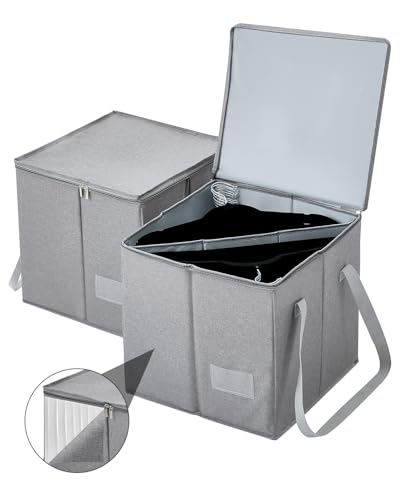
STURDY & LARGE CAPACITY: Our hanger storage organizer box is made of high-quality fabrics and sturdy support boards, perfect for long-term storage. The size of this hangers organizer stand is 37x37x35.5cm/14.6x14.6x14in, it can hold more than 100 thin velvet hangers, making it perfect for organizing your extra hangers and keeping your wardrobe organized.

STURDY & LARGE CAPACITY: Our hanger storage organizer box is made of high-quality fabrics and sturdy support boards, perfect for long-term storage. The size of this hangers organizer stand is 37x37x43cm/14.6x14.6x16.9in, it can hold more than 100 thin velvet hangers, making it perfect for organizing your extra hangers and keeping your wardrobe organized.
4. Packing in a Suitcase or Box

Lay the hangers flat so the hooks all point the same direction, then pad them with a towel or folded clothes to keep the sharp ends from poking through the cardboard or fabric. The clothing does double duty: it protects the hangers and travels with them, so nothing in that suitcase is dead weight.
For the gaps between layers, a handful of packing peanuts works better than wadded paper because they settle into odd corners and stop everything from shifting when the box tips. A single suitcase or small box handles a modest closet fine. Plastic bins take the same approach and stack easier in a truck, though for a short move the suitcase you already own is hard to beat. Group matching types together in there, clip hangers with clip hangers, coat hangers with coat hangers, so you are not fishing through a tangle when you unpack.
Recommended Products
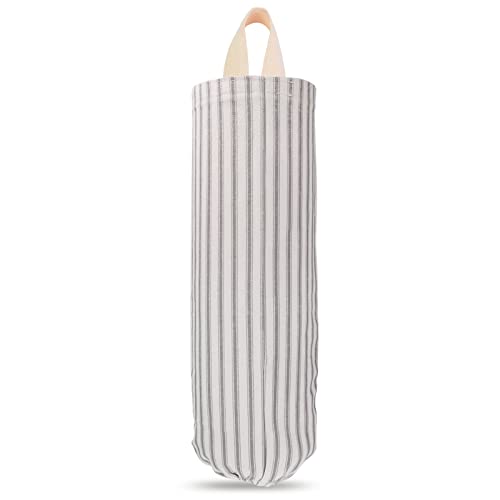
BRING LOVELY LOOK TO YOUR HOME. TOGETRUE bag holder for plastic bags measure approx 20 x 8 inch, which is easy to gather all your plastic bags in one place and handy for reusing. If you live in an area that uses groceries bags, you can keep them in portable plastic bag organizer instead of tossing them carelessly in the trash. If you’ve cut down on plastic bags, you can also use it for paper rolls, umbrellas, gloves or socks.

AT YOUR FINGERTIPS: Holds a standard roll of 13-gallon kitchen garbage bags to dispense through a large front opening; not suitable for bulk/club size rolls

HANG ANYWHERE:It applies to a lot of places, can be hung on the door, cabinet door,drawer door, or outdoor activities like barbecue,creative and practical, saving space, keep the kitchen place clean and tidy.
5. Trash Bag or Large Tote Repurposed

Sliding hangers into a trash bag with a small hole for the hooks takes the basic garbage bag method and makes it carryable. Tie the bottom of the bag closed after the hangers are in, and the whole bundle stays together in your trunk or hanging from a hook rather than sliding apart. A 30-gallon drawstring bag works, with the drawstring pulled tight at what becomes the bag’s new "bottom."
The step other methods skip is poking that hole in the bag’s bottom so hooks can stick out. That changes everything: the hooks become your handle or your hanging point, and the weight of the hangers keeps the bag pulled down around them. Without the hole, you are just corralling loose hangers that still need a box or bin to stay upright. With it, the bag itself becomes the container and the carry method both.
I like this for lightweight plastic or wooden hangers on a short move. The bag offers only limited protection, though. Plastic can trap moisture, tear, or even melt in extreme truck heat, and the slick surface shifts around when stacked. For hangers with clothes still on them, this is essentially the bunch-and-bag wardrobe shortcut, just with empty hangers instead. Keeps the same advantage, the same risks.
Recommended Products
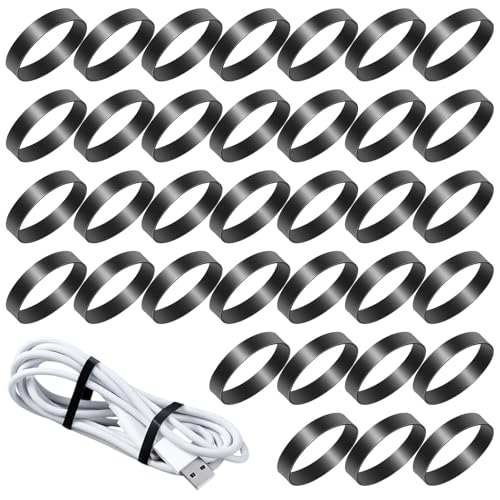
PACKAGE & SIZE INFORMATION:Includes 100 reusable rubber cable ties, each measuring 1 inch in diameter and 5mm in width. The small black rubber bands' compact ties good for organizing cords, cables, and more
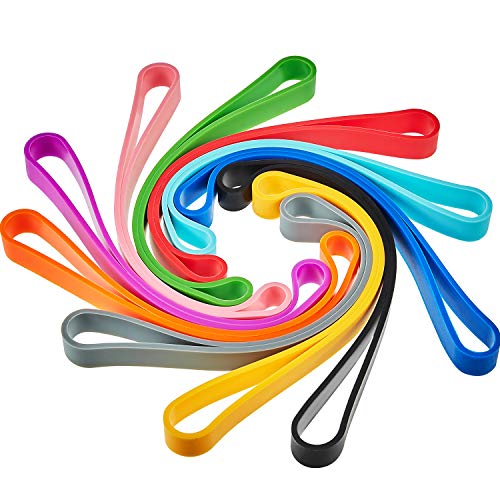
Package include: comes with 10 pieces silicone rubber bands in 10 diverse colors, black, yellow, pink, red, blue, light blue, green, orange, purple and grey, these bright and cute colors make the bands easily satisfy with your different packing and decorating needs

√Colorful Natural Rubber Bands: Unique smooth, stretchability - Offer tensile strength and re-usable convenience.
6. Wrap and Tape Method

Bubble wrap and newspaper both work here, though the results are not equal. A hanger bundle wrapped in bubble wrap and taped at the center and both ends will survive a truck ride without the wire digging through thin cardboard. Newspaper is the cheaper fallback, and it does the job if you layer it thick enough, usually three full sheets around a grouped set of ten to twelve hangers.
Tape across the hooks, not just around the bundle, or they will slide against each other and tangle into a single metal knot by the time you unpack. Four strips of packing tape, two crossing at the hooks and two at the crossbar, keeps the shape intact without crushing anything. This matters for plastic hangers in particular, which crack at the stress points if they rub together through a full move.
The method also stops the hangers from scratching whatever sits next to them in the box. I group by type, all wood together, all wire together, and wrap each group separately rather than mixing materials in one bundle. Heavier wood hangers need an extra round of newspaper at minimum, or they will tear through lighter wrapping by hour three on the road.
Recommended Products

【6-Pack Garment Bags】 Measuring 40" x 24" x 10", each clear garment bag provides ample space to hold up to 10 sweaters, 8 coats, or 10 dresses. With a total storage capacity for 50+ clothing items, this set is perfect for organizing suits, shirts, dresses, sweaters, jackets, and winter clothing, keeping your closet tidy!
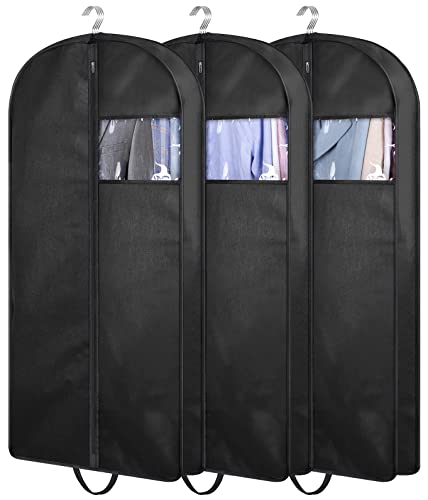
Roomy Capacity: Set of 3 garment bags for storage, each hanging clothes bag has 4" gussets to store about 4pcs suits or 8pcs shirts, 3 packs can total hold up to 12pcs jackets or 9pcs winter coat;

【Large Capacity】 The breathable garment bags for storage measures 17L x 20W x 54H and can easily hold 10-20pcs clothes. Coat dress storage bag hanging are perfect for storing different types of clothes such as suits, sweaters, skirts, dresses, thick winter coats and more. Keep clothes dustproof and tidy.
7. DIY Hanger Box

A cardboard box and a utility knife are all it takes to keep hangers from knotting up in the truck. Cut a hole about two inches from the bottom on each of two opposite sides, just wide enough for the hook stems to slide through. Stack your hangers so the hooks point the same direction, feed them through the holes, and tape the open top closed, or run zip ties around the bundle if the box is shallow and the hooks stick out.
The sources split on whether to cut the hole in the center of the long side or offset near the bottom. Either works; the bottom-gap version keeps the hangers from riding too low and tearing the cardboard. Lightweight wire and plastic hangers sit fine in this rig. Wood hangers will flex the sides and probably demand a sturdier carton, so judge the box by the heaviest hanger in your closet.
Recommended Products

Bundle of 1 Wardrobe Moving Boxes: 20" x 20" x 34"

Simply transfer clothing from your closet to the metal bar

Use these metal hanging bars with 24 inch
Sort and Declutter Before You Pack

Last time I moved, I dumped every hanger I owned into a single bin and taped it shut. At the new place, I spent an hour untangling wire necks from velvet shoulders and throwing out three hangers that had snapped in transit. Sorting by type and material before you pack fixes this completely.
Wire hangers twist together and rust if they rub anything damp. Wood hangers are heavy and slide apart in a stack. Velvet grips catch on plastic edges. Grouping them by kind, shirt or skirt or coat, keeps similar shapes nested flat. The broken ones, the bent ones, the ones with rust spots that leave orange streaks on white shirts, are not worth the box space. I set mine in the recycling pile and moved with about thirty fewer hangers and one fewer bin.
Moving enough closet to matter means this step saves more time than it takes. The bundles stack cleaner, the boxes close flat, and unpacking you hang clothes back up without stopping to untangle a nest of mismatched shapes.
Recommended Products

[Clothes Hanger Organizer]: No more cluttered hangers with our hanger storage organizer. This laundry organizer for stacking hangers and helps keep hangers organized and easy to retrieve. With clothes hanger rack, you can always know where they are, instead of looking for empty coat hangers between clothes in the closet. Great closet clothes organizer and storage closet organizer for laundry room organization and storage.

【WITH SUPPORT PLATE】: Our hanger caddy stands upright, thanks to the built-in support plate. This makes it easy to place anywhere and maintains the shape and sturdiness of the hanger organizer storage, maximizing storage space while beautifying your home.

[Clothes Hanger Organizer]: No more cluttered hangers. This laundry organizer for stacking hangers helps keep hangers organized and easy to retrieve. With this clothes hanger rack, you can always know where they are, instead of looking for empty coat hangers between clothes in the closet.
Clean Hangers by Material

Dirty hangers undo the point of moving with clean clothes. A quick wipe before packing saves unpacking grime along with everything else.
Wood splits and warps if it takes on water, so wooden hangers need a dry cloth only. Skip the damp rag and any soap, even mild. Run the cloth along the shoulder, down the hook, and across the bar where pants rest if there is one. Dust collects in the seam where the hook meets the body, and that is where a dark line can press into a shirt later.
Plastic and metal hangers handle a damp cloth with a little soap better, though they still need full drying time before anything goes back on them. Velvet takes a lint roller or a soft brush instead of moisture.
I group cleaned wood hangers together once they are wiped, since matching styles stack tighter and the dry cloth step is already done.
Recommended Products

HANGING TRASH BAG HOLDER Simply hang the trash bag holder on the cabinet door to install any size bag with a handle, making collection and storage of kitchen waste and scraps easier! So convenient while cooking for fast easy clean up right where you need it. Just put away when not in use.

BRING LOVELY LOOK TO YOUR HOME. TOGETRUE bag holder for plastic bags measure approx 20 x 8 inch, which is easy to gather all your plastic bags in one place and handy for reusing. If you live in an area that uses groceries bags, you can keep them in portable plastic bag organizer instead of tossing them carelessly in the trash. If you’ve cut down on plastic bags, you can also use it for paper rolls, umbrellas, gloves or socks.
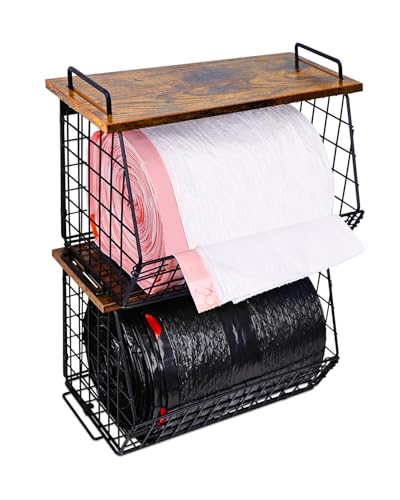
BRING ORDER TO BOTH YOUR SPACE AND YOUR LIFE: Life comes with many worries, but with this trash bag holder, we hope organizing trash bags won’t be one of them.
Specialty Hanger Care

Wooden hangers need their own shallow box, period. Stack them lengthwise like firewood, no more than a single layer deep, and that forty-fifty pound ceiling on box weight hits faster than you’d expect.
For velvet hangers, the problem is the shoulder flocking. Rub two bundles together in transit and you get bald patches where the fabric piles wear flat. Wrap the hook ends in packing paper first, then rubber-band them into groups of eight or ten. That keeps the velvet from touching anything, including itself.
Padded hangers are the fussiest of the lot. The padding crushes under something as light as another hanger pressing down. Wrap each one in bubble wrap or a scarf, secure with a rubber band, and fill the box gap with packing peanuts. Wardrobe boxes work for these, too; the bar keeps the padded body suspended so nothing squishes it.
Clip hangers or anything with moving parts goes flat in a shallow box, same as the wood ones. Different material, same rule: separate the heavy from the delicate, and label the outside before the truck door closes.
Recommended Products
Quantity: come with 50 pack large rubber bands, rich quantities can keep a long time to use.

Package includes: 15 pieces 5.5 inch silicone rubber bands.

✔Brand New Macaron Color Natural Rubber Bands Size117: Unique smooth, stretchability - Offer tensile strength and re-usable convenience.
Plastic Moving Bins

Reusable plastic moving bins turned out to be one of the better ways I have found to tackle hangers during a move. Their walls are rigid enough that a bundle of twenty or thirty standard plastic or wire hangers can stand upright without sagging sideways, and the lid snaps down to keep the whole stack from bouncing apart in a moving truck. The stackability matters more than I expected. With a dress-box footprint of roughly 18 by 24 inches, these bins let you load hangers in one and still drop shoes or folded clothes into the next before you start stacking them into columns. One rental company delivers them directly, which sidesteps the scavenger hunt for donated banana boxes that always end up damp in the bottom. Plan on one bin for every forty to fifty hangers, maybe two if you are also storing off-season clothes between moves.
Labeling and Organization

A box stuffed with tangled wire, wood, and velvet hangers costs at least twenty minutes of sorting on the other end. The fix is to group matching sizes and materials together before anything goes in.
I start with the type: plastic with plastic, wood with wood, velvet with velvet. Wire hangers tangle around anything different, and the clips on skirt hangers catch on sweater-knit bars. Size matters too. Shirt and blouse hangers stack flatter when they share the same shoulder width. Jacket and coat hangers need a longer bin or they’ll bow against the sides.
Labels should name what’s inside and where it belongs. "Master closet, wood suit hangers" beats "hangers" because it lets you unpack the essentials first and leave the guest room box for later. Public Storage’s breakdown makes sense here: shirt hangers in a vertical bin, clip hangers separated from bar hangers, wooden ones kept dry with light cushioning between groups.
The real mistake is mixing dirty hangers with clean ones. A quick wipe with a damp cloth for plastic and metal, a dry cloth for wood, and a lint roller for velvet keeps grime off the clothes you’ll rehang the next day. Skip the sort and you’ll find yourself rebuying basics you already own, buried under a mess you created in a hurry.
Environmental Considerations

Wire hangers from your closet most often cannot go in your regular recycling bin even though they are metal. Most curbside facilities reject them because the hooked ends tangle and damage sorting machinery, a fact I only learned after showing up with a bagful and getting waved off. If your local program is one of the exceptions, it will say so explicitly; otherwise the responsible path runs through a scrap metal yard that takes steel or a dry cleaner willing to reuse them. I have never found a cleaner that refused a clean stack dropped off during business hours. Plastic and wood hangers have less of an end-of-life path, so holding onto usable ones until your next move keeps material out of the waste stream longer than swapping for new.
Frequently Asked Questions
Can you pack hangers with clothes still on them?
Yes, and it saves both packing time and unpacking effort since your clothes stay wrinkle-free and ready to hang. Wardrobe boxes, garment bags, or even sturdy garbage bags with holes poked for the hooks all work for this. The article notes that wardrobe boxes run up to $20 each, so this approach suits your best garments while cheaper methods handle the rest.
Are wire hangers recyclable?
Most curbside recycling programs reject them because the hooked ends tangle and damage sorting machinery, though a scrap metal yard that takes steel usually accepts them. Many dry cleaners will also take clean wire hangers for reuse during business hours. The article emphasizes checking whether your local program explicitly allows them before dropping them in a bin.
What is the best way to store coat hangers?
Sort them by type and material first, then group matching styles together in labeled boxes or bins so similar shapes nest flat. Wire twists around anything different, velvet grips catch on edges, and wood slides apart in mixed stacks. Labeling by closet destination and hanger type lets you unpack essentials first and skip the twenty-minute untangling session later.