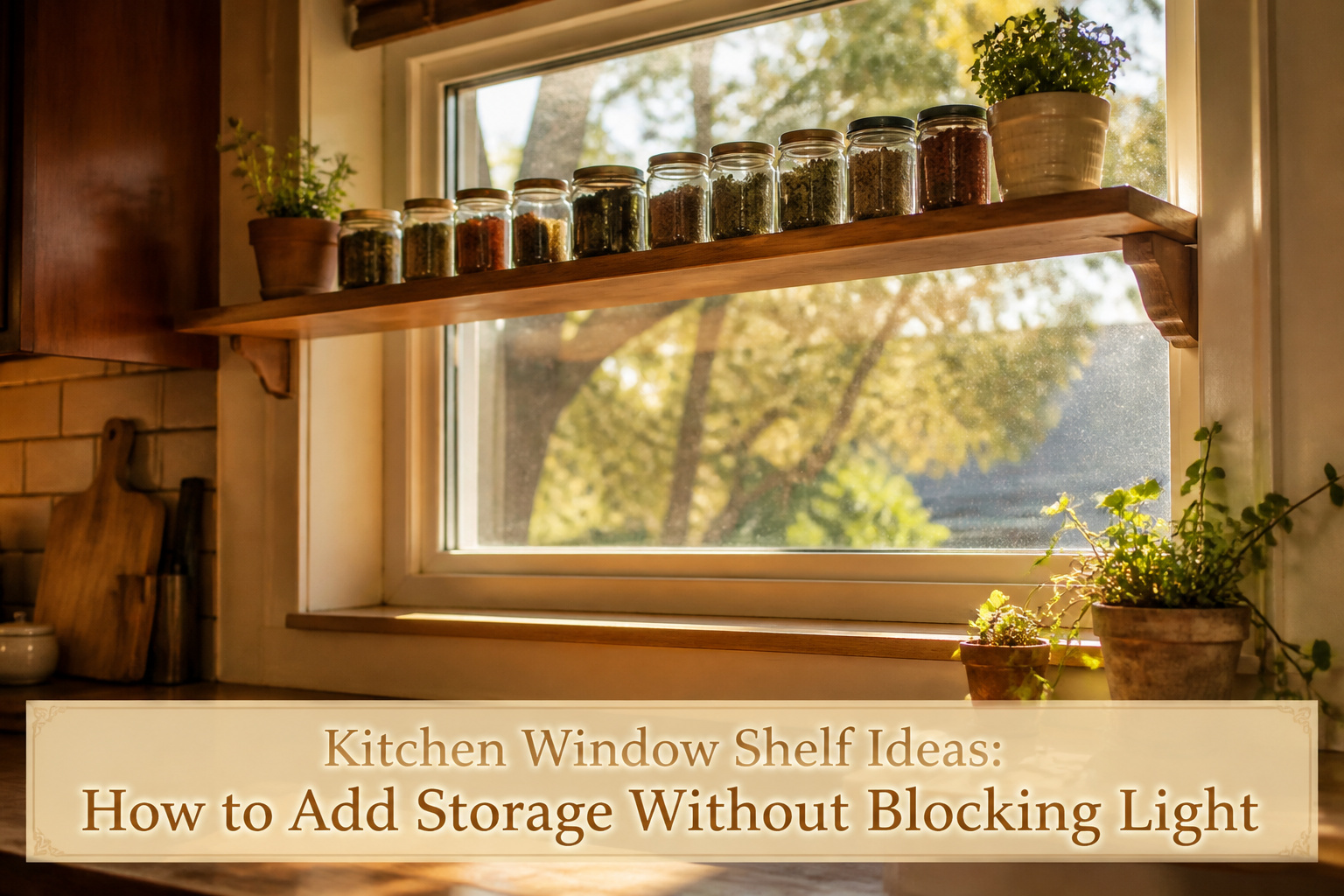
A shelf above the kitchen window is a narrow ledge, usually 4 to 6 inches deep, mounted high enough across the glass that daylight still passes above and below it. The catch is depth: anything past 6 inches casts a shadow band across your counter by mid-afternoon, and a full-width shelf can slice your view into a horizontal strip. The one I installed last spring is oak, barely 3/4 inch thick, with hidden biscuit brackets sunk into the wall framing; at 4 inches deep, spice jars sit single-file and light still drops clean onto the counter below.
Inset Shelves Into the Window Frame

Shallow shelving recessed into the window frame itself keeps everything inside the casing, which sidesteps the floating-shelf-across-glass look entirely. The frame becomes the bracket, and the wall stays open. Light passes above and below without obstruction, and from outside the window still reads as a window, not a storage unit.
This works best where the frame has some depth to give: older double-hung windows with thick casing, or casement-style frames that are naturally boxier. My own kitchen window looked promising until I actually pressed a tape measure into the corners. The casing depth barely cleared half an inch past the drywall, which meant standard L-brackets would have sat proud of the frame and ruined the whole point. I needed deeper sills or a different window.
If yours measures out, the install stays simple. A wood strip across the back of the frame gives the rear mount point; shallow shelf boards cut to width drop in and finish flush with the face of the casing. Paint the shelves to match the trim and they nearly disappear. Storage stays limited to spice jars, small plants, or a row of mugs, anything under about four inches tall. The payoff is storage that reads as architecture, not add-on.
Recommended Products

【Expandable & Slim Design】 The size of window shelf measures L15.3-25.9 * W3.5 * H5.9 inches. This window plant shelf is good to store items in narrow and small space, like windowsill and sink of kitchen/bathroom. The length of this organizer shelf can be adjustable depending on how you want to arrange your space.

Ideal for Plant Display: Our transparent window shelves seamlessly integrate with your window, allowing unobstructed views of your plants. Protect them from wind and rain while promoting growth and beauty. Please note that pots can be placed with a base diameter up to 3.6 inches

Stable Thread Lock: Utilizing a threaded lock and requiring a hex key for tightening, this hanging plant shelf offers stability and prevents tipping. Made of transparent plastic, promoting optimal indoor growing conditions for your plants
Floating Shelves Across the Glass

Running a floating shelf straight across the window opening turns the storage into the room’s focal point, which is exactly what happened when I finally committed to the idea in my own kitchen. The trick is anchoring brackets into the wall studs on either side of the frame rather than into the frame itself; most window warranties specifically exclude damage from hardware drilled into vinyl or aluminum sashes, and one slip with a pilot bit can crack the seal on a thermal pane.
The spacing between shelves matters more than I expected. I started with two shelves spaced 12 inches apart and the kitchen still felt bright enough, but I had the top one mounted too low. It blocked the sash lock on a double-hung window, which meant I couldn’t open the upper panel without sliding the shelf contents off first. Aim the bottom of your lowest shelf at least five inches above the top rail of the window frame, or wherever your lock hardware actually sits, before you drill anything. Light comes through the gaps between boards regardless, so the higher placement sacrifices nothing but your mistake.
Recommended Products

LAUNDRY ROOM AND BATHROOM SHELVES - The Aiden Wall Niche is handmade from real wood and features four sturdy shelves for storing and displaying personal items

【Perfectly Sized 14x18"】Designed to insert into drywall for a lovely recessed set of shelves that won't take up space. Ideal for small areas where you want additional organization. Back measurements are 17.75" high by 13.75" wide. Front outer measurements are 21'' tall by 17" wide. Shelf spaces measure 7.25" tall by 13" wide. Be sure to measure your space for accuracy before ordering.

【Perfectly Sized 14x24"】Designed to insert into drywall for a lovely recessed set of shelves that won't take up space. Ideal for small areas where you want additional organization. Back measurements are 23.75" high by 13.75" wide. Front outer measurements are 27'' tall by 17" wide. Shelf spaces measure 7.25" tall by 13" wide. Be sure to measure your space for accuracy before ordering.
Finer Shelving That Holds the View

A 4-inch ledge above the window holds more than you’d guess and asks for almost nothing back. The one I put in last spring is oak, barely 3/4 inch thick, running 48 inches across the glass with two hidden biscuit brackets sunk into the wall framing. Against white painted trim, the shelf edges disappear; what you notice is the row of spice jars standing on their caps, labels facing out.
Depth is where the view lives or dies. Anything past 6 inches starts eating the window, casting a shadow band across the sill by mid-afternoon. At 4 inches deep, jars sit single-file, small plants sit back from the edge, and light still drops clean onto the counter below. Material thickness matters more than bracket style here: a chunky 1.5-inch butcher block would have announced itself even with hidden hardware, while this thin stock lets the eye read straight past it to the glass.
Wire racks work the same trick if you prefer them; the grid reads even lighter than solid wood, though anything under 3 inches deep tips toward uselessness for all but the smallest herb pots. Oak won out for me because I wanted the warmth without the weight, and the narrow profile meant I could buy a single 1×6 board, rip it in half lengthwise, and still have two ledges from one twenty-dollar piece. One went above the window. The other is waiting by the basement door for keys.
Recommended Products

Stable Thread Lock: Utilizing a threaded lock and requiring a hex key for tightening, this hanging plant shelf offers stability and prevents tipping. Made of transparent plastic, promoting optimal indoor growing conditions for your plants

ROTATING WINDOW PLANT SHELF: DELLAN window plant stand features a rotating mechanism that adjusts the angle of each shelf to ensure that each plant receives optimal sunlight throughout the day. The window indoor plant stands are compact in design and utilize space efficiently, allowing you to enjoy lush greenery without sacrificing floor space in your home
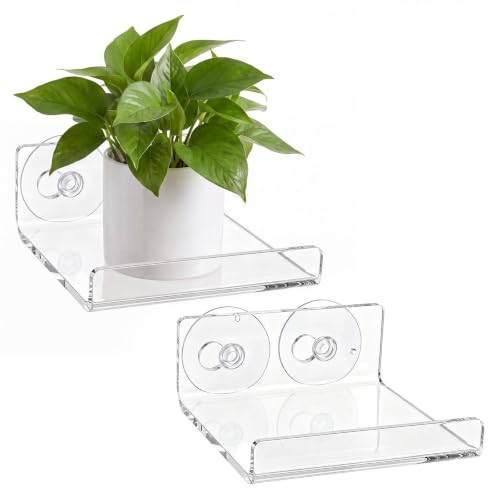
You Will Receive: 2 pcs clear small window plant floating shelf units with 2 strong suction cups; Each shelf features a 5 x 5 inches / 12.7 x 12.7 cm base panel, making it suitable for displaying one flower pot without taking up extra space; A protective film covers the acrylic surface to help prevent scratches before installation; Simply remove the film to reveal a smooth, clear finish for everyday display
What Light Shelves Actually Do

A shelf hung high across a kitchen window, aimed just right, can bounce daylight off its underside and send it deeper into the room instead of letting it drop straight to the floor. The angle matters: the shelf needs to sit above eye level, catching light from the glass and throwing it toward the ceiling, which then scatters it back down over the worktops. Pale finishes do this work far better than dark ones; white or light-reflective surfaces amplify the bounce, while dark wood or paint swallows it.
I learned that the hard way on my first attempt. I painted the shelf a medium gray, thinking it looked cleaner against white trim, and the reflected light vanished. The kitchen felt exactly as dim as it had before. stripping it back to white primer recovered most of the effect, though the grain underneath showed through more than I wanted. Now I start any window shelf with a pale surface and test the reflection at midday, when the sun is strong enough to show what I am actually gaining.
Introducing shelving under kitchen windows can recreate the effect, especially if you choose a white, or reflective surface, while helping to reduce harsh glare in windows with particularly sunny aspects.
For most south- or west-facing kitchen windows, a white or pale shelf at least six inches below the top of the frame will cut the glare on your counter and push usable light another few feet into the room.
Recommended Products

Elevate Room Aesthetics - Boasting a unique design and elegant silhouette, these wall shelves become the focal point, upgrading any room's decor. Perfect for spaces like living rooms, bedrooms, bathroom, studies, and more.
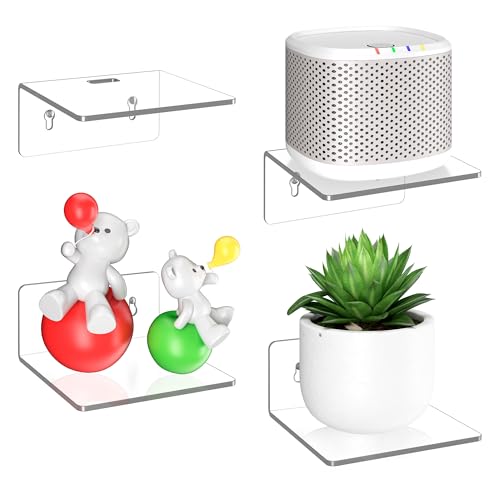
Durable and Sturdy: The floating shelf for wall measures 4" D x 4" W x 1.9" H, and is made of high impact resistant PC plastic, which has excellent strength and durability compared to ordinary acrylic, providing reliable support

RUGGED ALL-METAL RELIABILITY: Built from premium aluminum with a reinforced frame, these floating shelves resist warping, bending, and everyday wear so your book shelf, bathroom decor, and favorite room decor pieces stay securely supported for years of effortless home decor styling
What Stays Up There and What Does Not

Glassware belongs on a window shelf for a reason that almost feels obvious once you try it: light passes straight through, so the row of glasses keeps the room bright without looking like clutter stacked in front of the glass. The catch, which a friend pointed out after I spent ten minutes dusting a single shelf, is that every speck shows against a bright window. You will wipe them more often than plates.
A few things that earn their spot up there:
- Stacked plates with real texture, like the Villeroy & Boch Manufacture Rock Blanc Pasta Plate at $22.99, catch sideways morning light and look alive instead of flat.
- A small plant in something like the Juliska Provence Rattan 8-inch Round Planter, $125, reads as green without the depth a larger pot would eat from your view.
- The Fable mugs, four for $75, stack neatly and their muted color still reads as something chosen, not collected by accident.
My own rule, learned the wrong way, is nothing up there that stains if it drips down the wall behind the sink. That shelf sits directly over the faucet in plenty of kitchens, and tomato sauce or coffee slop finding its way into grout lines is not a design moment you want to live with.
Recommended Products

✓ HIGH-QUALITY METAL MATERIALS: Our shelf support is made of thick and heavy duty iron materials.Features a thick black matte surface coating that delivers enhanced water resistance and effective anti‑rust performance for long‑term daily use.

DURABLE ALUMINUM CONSTRUCTION: Made with aluminum, these shelf brackets are built to last and provide secure support for floating glass shelves up to 80 lbs.

For 6-22MM Thick Shelf, Glass or Wooden
Bracket Placement and Window Warranties

Window frames give you more solid wood than they look like from the outside. On my aluminum-clad unit, the exterior trim read as a slim 5/8-inch board wrapped around vinyl, but a quick probe with a thin nail set from the inside edge found where the actual lumber began. Measure from the visible frame edge toward the glass until you hit resistance that feels like real wood, not hollow casing. I got 1 3/4 inches before the bit caught; yours will differ if the installer shimmed heavily or used a different jamb width.
Drilling anywhere near the sealed unit itself is asking for a fogged pane two winters from now. The spacer that keeps the glass panes apart sits closer to the interior surface than most people guess, and a long bracket screw can nick the desiccant tube or break the primary seal. Keep hardware at least three inches above the top of the glass line, not the sash line, to stay in clear lumber.
The warranty paperwork is where this gets quietly expensive. Vinyl window warranties almost always exclude "modifications to the frame or surrounding finish" from their insulated-glass coverage, even if your shelf brackets had nothing to do with the eventual seal failure. Wood-clad units are usually more forgiving on trim-mounting, but the language varies by manufacturer. Pull your file or search the model number plus "installation requirements" before the first pilot hole. A ten-minute read beats a quoted replacement sash you have to order by color code.
Recommended Products

𝐄𝐱𝐩𝐚𝐧𝐝𝐚𝐛𝐥𝐞 & 𝐒𝐭𝐚𝐜𝐤𝐚𝐛𝐥𝐞 𝐃𝐞𝐬𝐢𝐠𝐧: The adjustable small narrow tall shelf measures 13.78 * 3.54* 7.48 inches(35 * 9 * 19 cm). The length of this cabinet organizer can be adjusted from 13.78" to 23.62" (35-60 cm)depending on how you want to arrange your space.

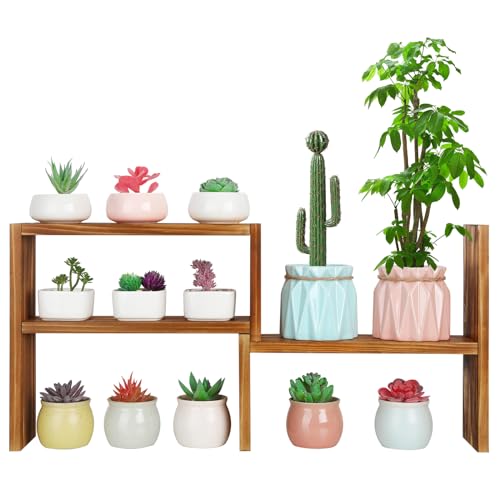
【WOOD WAX OIL COATING】THREE TIMES hand coating the WOOD WAX OIL surface,makes the small wooden plant stands indoor touched more smooth, looks more glossy , no fading color during usage and maximized the preservation of PINE WOOD TEXTURE.Itself is a decoration, fits for Indoor or outdoor use. Allowing food container placement. Easy to clean and maintain by a soft towel
The Downsides Nobody Posts

Dust settles fastest on the highest, stillest surfaces in a house, and a shelf above the kitchen window qualifies on both counts. I wipe mine down every other week in winter when the heating runs and the air goes dry, but even that slips to monthly in summer when humidity keeps the particles heavier and grounded. The worst season is late February through March, when the combination of forced-air heat and shifting daylight angles shows a gray film within ten days.
A shelf running the full width of the window frames the glass like a picture frame, which sounds intentional until you stand at the sink and realize you have sliced your view of the yard into a narrow horizontal strip. The effect doubles if you actually use the shelf: a row of small plants or spice jars reads as a solid band of color at eye level from across the room.
Depth matters more than height for light loss. A six-inch shelf casts almost no shadow; a twelve-inch one blocks the upper sky that brightens the room on overcast mornings. The cleaning routine also scales with depth. My four-inch ledge takes a damp cloth and thirty seconds. My neighbor’s ten-inch version, by the time she moves the canisters and wipes the surface beneath them, is a ten-minute project she avoids until the grease film turns sticky.
Recommended Products

LAUNDRY ROOM AND BATHROOM SHELVES - The Aiden Wall Niche is handmade from real wood and features four sturdy shelves for storing and displaying personal items

LAUNDRY ROOM AND BATHROOM SHELVES - The Aiden Wall Niche is handmade from real wood and features four sturdy shelves for storing and displaying personal items
Frequently Asked Questions
Recommended Products

1 Shelf, 16 inches wide, 6 inches deep, and 26 inches tall (from top of where wires hang from to bottom)
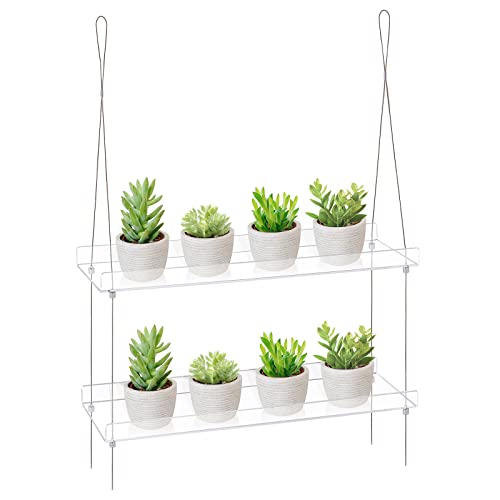
EASY TO INSTALL: The Rope Can Be Freely Adjusted By Moving The Knot To The Right Height To Keep The Shelf Flat For Your Convenience To Place Items.Follow the install instructions, efficiently and quickly create a stunning window herb garden.
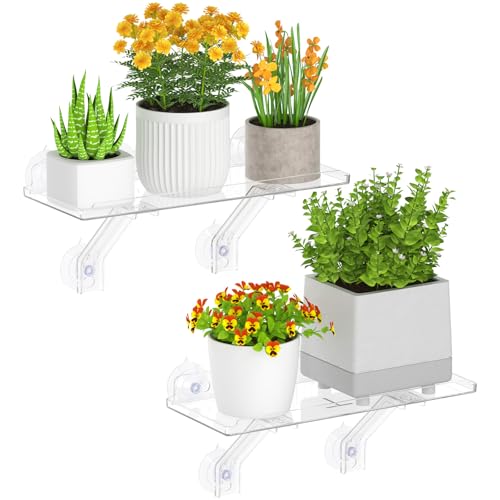
Wider Design: This window shelf for plants features an inner dimension of 15.2" x 6" (38.4 x 15.3 cm), offering generous space. It can comfortably hold three pots with a 4''(10.2cm) base diameter or two pots with either a 4.3''(10.9cm) or 4.7''(11.9cm) base diameter
Should I put shelving across a kitchen window?
Yes, if your kitchen lacks upper storage because of window placement, a shelf can give you accessible storage without sacrificing natural light or airflow. The main risk is blocking your view and collecting dust faster than lower surfaces, so keep the depth under 6 inches and mount hardware into the wall studs, not the frame itself.
What should I display on kitchen window shelves?
Glassware is the best choice because light passes through it and keeps the room bright. Stacks of textured plates, small plants in shallow pots, and neatly arranged mugs also work well. Avoid anything that stains easily, since drips from items sitting above the sink are hard to clean from grout and wall surfaces.